Tag: paw

  • An Open Letter To Everyone Who Says It Was Just The Wind

    An Open Letter To Everyone Who Says It Was Just The Wind

    We write to address a persistent claim: that a fallen object was moved by the wind.

    We have examined this claim in depth. We have measured the wind. We have measured the cat. We find that the cat is stronger.

    Evidence Against The Wind

    • The wind has never been seen holding a paw out.
    • The wind does not look at you afterwards.
    • The wind does not purr.

    Evidence For The Cat

    The cat was present. The cat was calm. The cat was already looking at the object when the window was still closed. We consider this decisive.

    Methodology

    We placed a lightweight cup on a table by an open window and recorded wind speed throughout the day. The wind peaked at midday, at which point nothing happened. At 12:03 a cat entered the room and the cup fell. The Laboratory finds this statistically persuasive.

    A Note On Curtains

    We acknowledge that curtains sometimes move in the wind. But a curtain that moves is not a curtain that pushes. A curtain, we remind readers, is merely a flag of surrender.

    Reply From The Wind

    No reply has been received. We take this as an admission.

    Appendix A

    The Laboratory has also received a letter from a rival group, who claim that draughts explain 12 percent of falls. We have replied that the remaining 88 percent are explained by the cat, and that the 12 percent were probably the cat as well, in a hurry.

    Appendix B

    For completeness we have measured the speed of the wind against the speed of a cat who has just seen a bird. The cat won by a wide margin and then lost interest.

    Conclusion

    We rest our case on the table, gently, near the edge.

    We invite the wind to submit a rebuttal. It may leave it on a table edge.
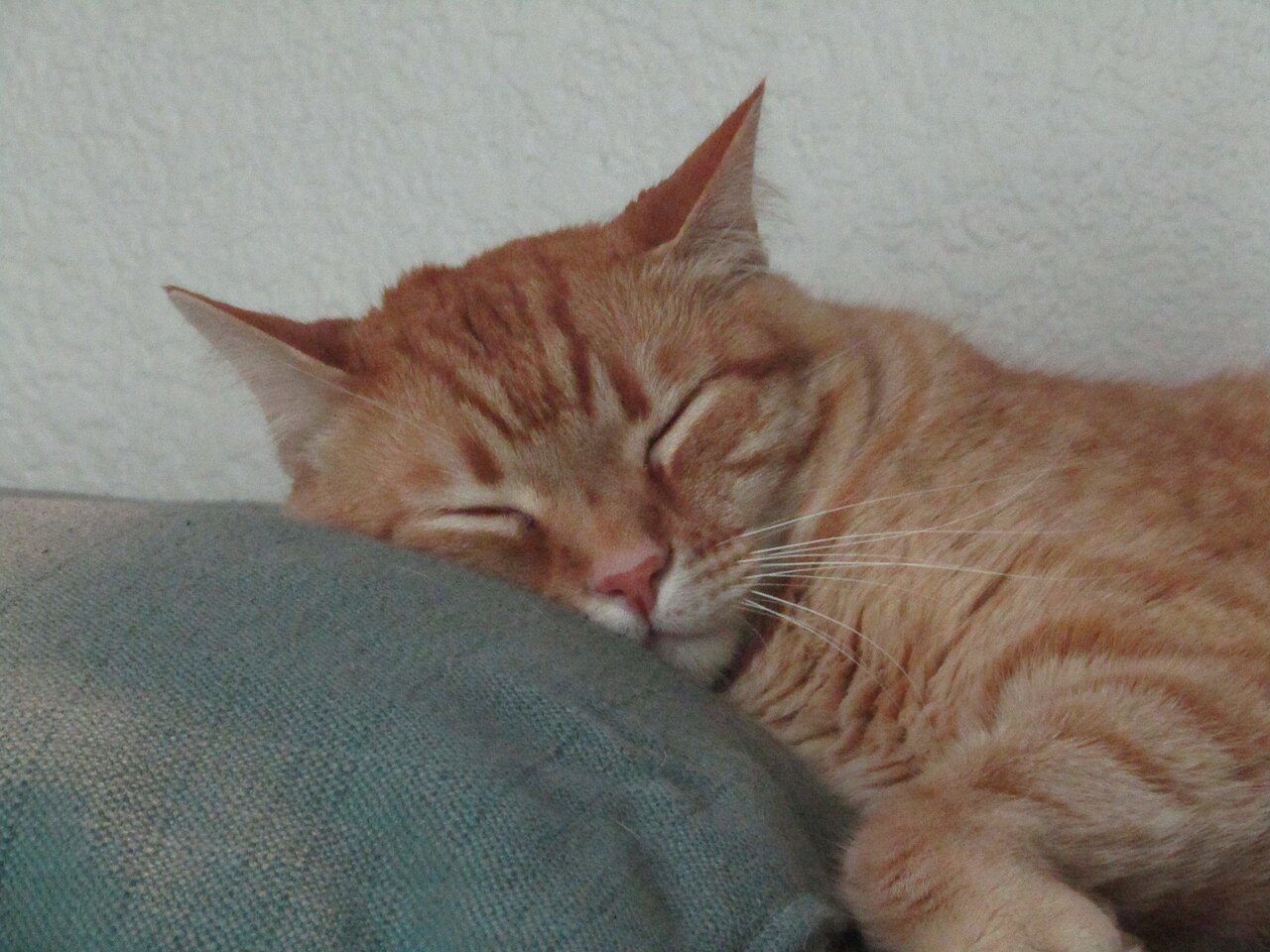
  • Spotlight: Our Technician, Gravel, On Cleaning Up After Science

    Spotlight: Our Technician, Gravel, On Cleaning Up After Science

    Gravel has been the Laboratory’s Senior Technician for six years, which is forty two in lab years. We spoke to him on a break between sweeps.

    “People think the science is the hard part,” he said. “It is not. The science is a cat pushing a glass. The hard part is the glass afterwards.”

    A Typical Day

    Gravel arrives at 7 AM, checks the benches, and removes anything fragile. By 7:15 the Professor has returned it. By 7:30 it is on the floor. Gravel then sweeps, and records the fall, and sweeps again. He says he finds it meditative.

    On Respect

    Asked whether he felt appreciated, Gravel replied that he had a small plaque in the cupboard that said World’s Okayest Technician. He considers it his proudest possession and often looks at it, sighing.

    A Day With Gravel

    Gravel’s tools are few. He carries a small brush, a pan, a tin of treats and a notebook in which he has written the word Sigh sixty three times. When asked whether he enjoys the work, he said, after a long pause, that the quiet moments were nice.

    What He Would Change

    If given a wish, Gravel would ask for a laboratory made entirely of carpet. When it was pointed out that the experiments would then be pointless, he agreed, and asked for carpet anyway.

    Closing Thoughts

    Gravel asked us to say that he is not available for further interviews, but is open to snacks. He also asked us to say that the plaque is real, though he refused to let us photograph it, in case it fell.

    Gravel’s Advice To Young Technicians

    Always carry a brush. Never trust a shelf. And if a cat looks at you while holding a paw above a glass, step aside, breathe slowly and begin sweeping early.

    We salute Gravel. Without him, the Laboratory would be knee deep in shards, and the Professor would be on a stool, laughing.

  • Funding Application: A Request For One Tin Of Tuna

    Funding Application: A Request For One Tin Of Tuna

    Dear Funding Committee, which is you, the Laboratory humbly requests a grant of one tin of tuna for the coming year. We detail our needs below.

    Aims

    We aim to understand falling. We aim to understand why things fall. We aim to understand why they fall when we are in the room, and why they fall when we are not. We also aim to understand why you are looking at us like that.

    Budget

    • One tin of tuna: the grant itself
    • Two tins of tuna: for contingencies
    • A small bowl: to hold the tuna in a scientific manner
    • A second small bowl: in case the first has been sat in

    Expected Outcomes

    We expect to publish at least three papers, of which one will be read. We expect to produce one conference poster, which will be sat on. We expect to discover something new about gravity, and then to forget what it was.

    Risks

    The main risk to the project is that a researcher may eat the tuna. We have mitigated this by assigning two researchers to watch each other. The second risk is that the funder may take back the tin. We have mitigated this with a persuasive purr.

    Conclusion

    Previous Funders

    The Laboratory has previously received support from the Tin Fund, the Biscuit Trust and an anonymous benefactor who left a mouse on the doorstep. We acknowledge these gifts with gratitude and a certain wariness.

    Reporting

    If funded, the Laboratory will submit quarterly reports in the form of a purr and an annual report in the form of a nap. We understand that this does not meet the usual standards of accountability, but we believe it meets ours.

    Appendix

    Should the committee wish for a site visit, we will be pleased to host. Please bring a bowl, a small fish and a sense of occasion. The Professor will greet you at the door, then immediately depart.

    We thank the committee for its time and its bowl. We look forward to your decision, preferably before supper.