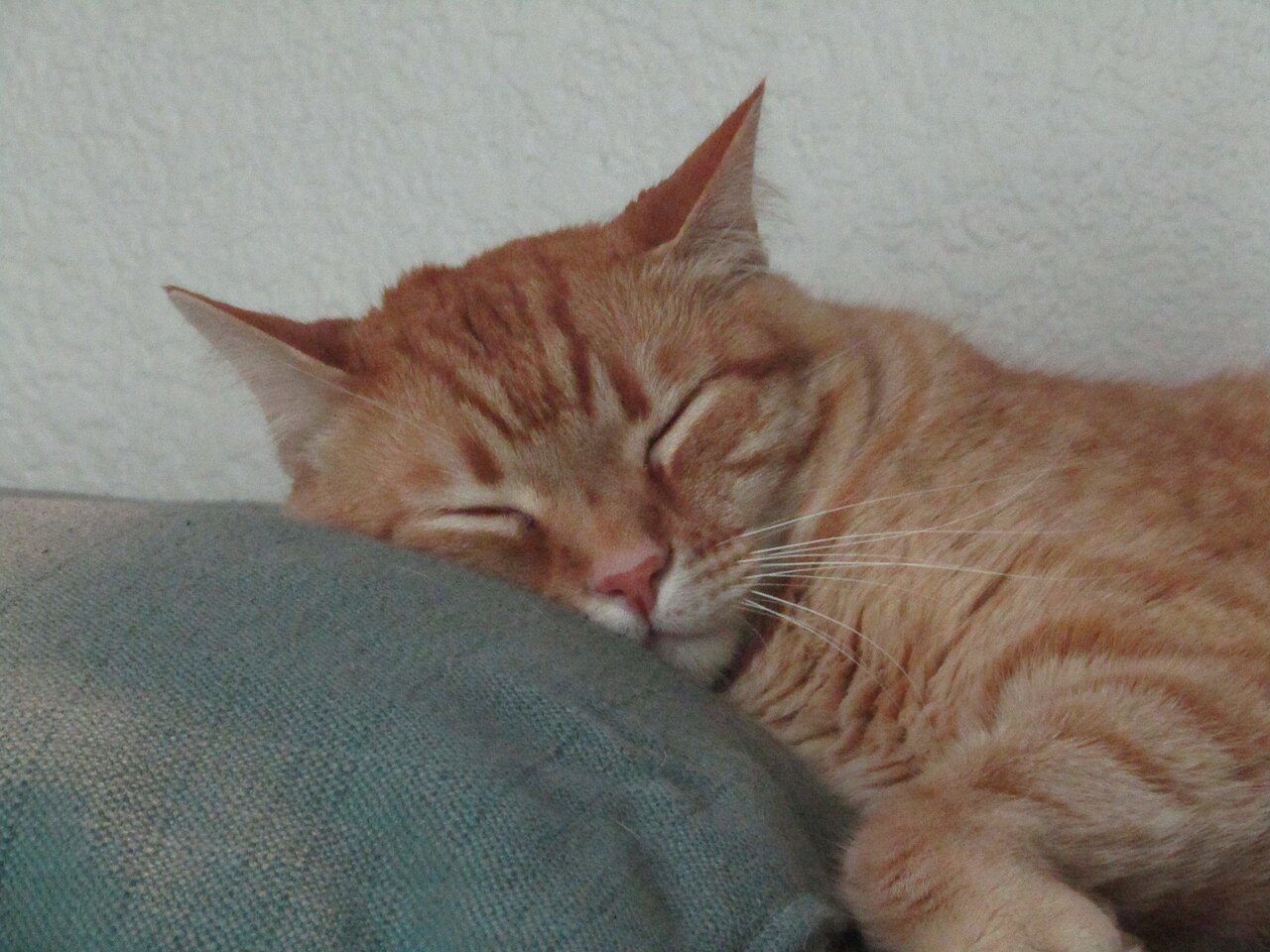
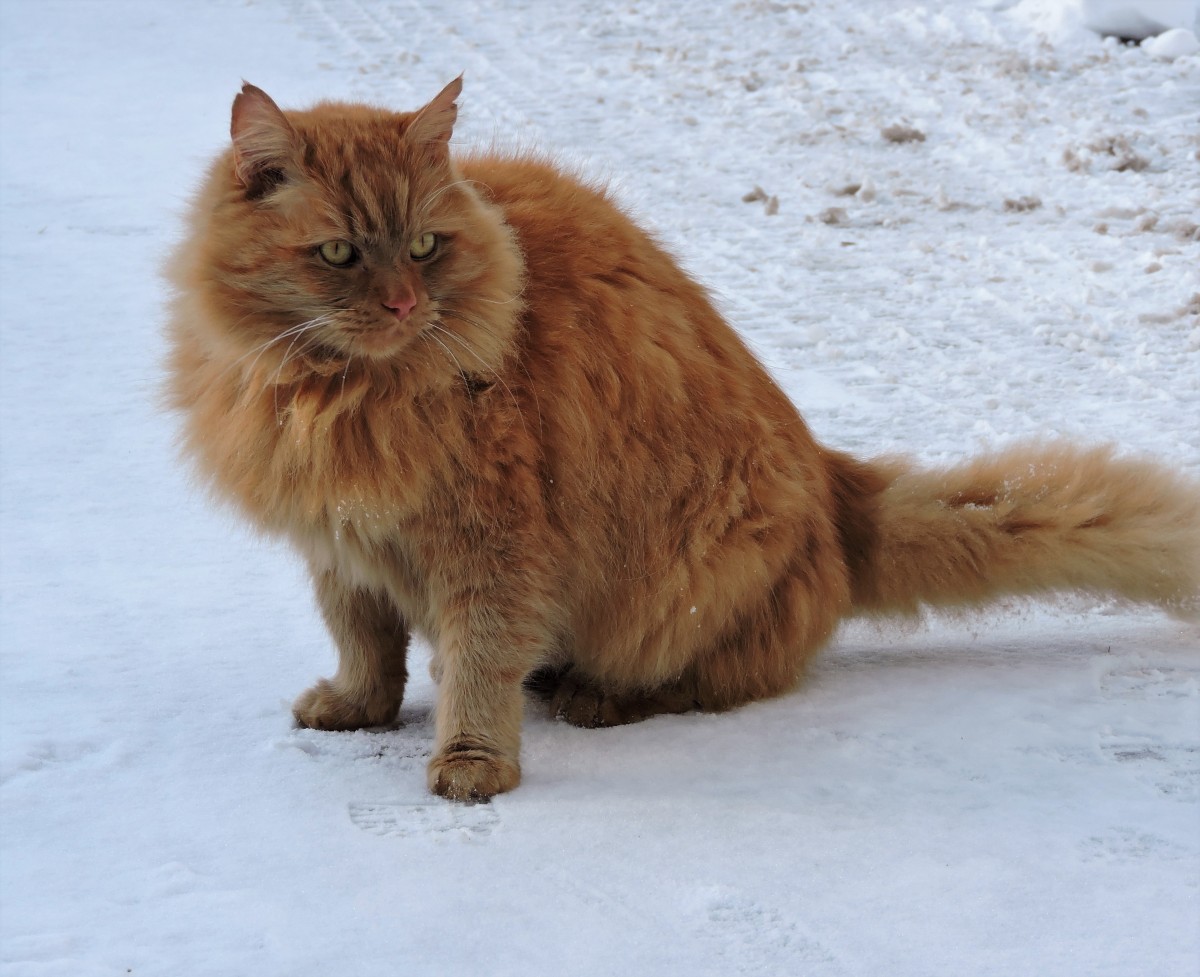
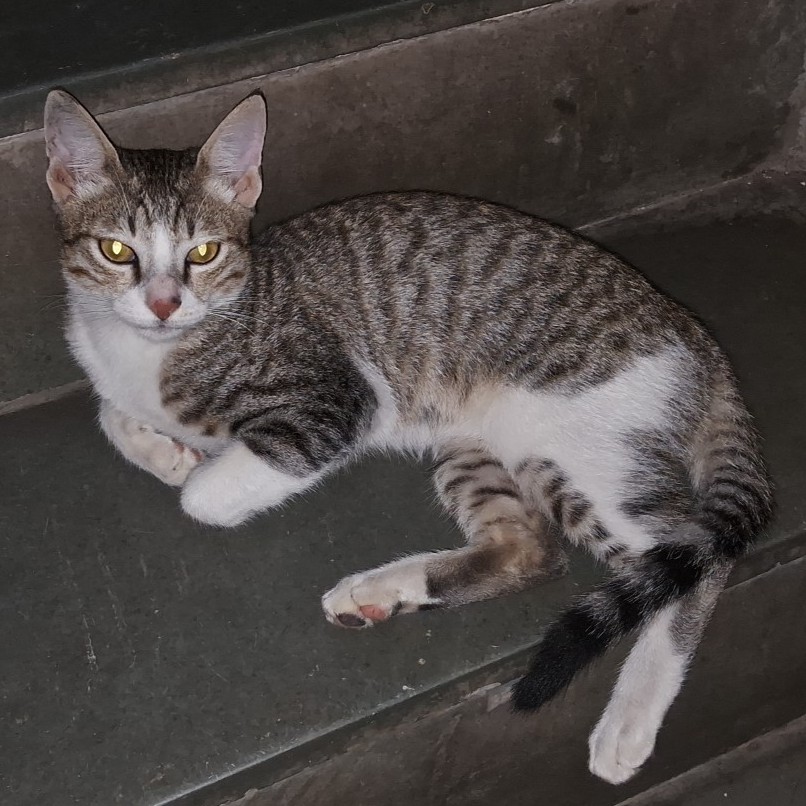
The Purrfect Drop Test Laboratory is pleased to publish the results of Study 114: Does a vase fall faster when watched? Our principal investigator, Professor Dame Marmalade Quill, has long suspected that observation changes the speed of a descent. She has been proven right, though not in the way she expected.
Abstract
Forty vases were placed at the edge of a standard laboratory bench. Twenty were observed by a trained cat. Twenty were left alone. The vases were then pushed, in a manner consistent with scientific protocol, by a second cat, whose identity we protect for ethical reasons and because she bites.
Method
Each vase was weighed, named and given a number. The names were chosen by the laboratory technician, a thoughtful grey cat called Gravel. The vases that were observed were looked at continuously from a distance of one metre. The vases that were not observed were looked at, briefly, from a distance of two metres, which the team agreed was close enough to count as not looking.
- Sample size: 40 vases, 2 cats, 1 technician
- Drop height: 72 centimetres, measured by a cat lying down
- Timing: a stopwatch, held by someone who was not paying attention
- Surface: laminate, with a small scratch that has become a team mascot
Results
Observed vases fell, on average, 0.02 seconds more slowly than unobserved vases. The difference is small, but our statistician describes it as significant, and our statistician is a cat who sits on the calculator. We therefore accept the result.
A more interesting finding concerned the observer. In 17 of 20 observed trials the observing cat turned away at the moment of impact. Professor Quill refers to this as the Averted Gaze Effect and believes it demonstrates a deep, unspoken moral discomfort. Gravel believes it demonstrates that the cat had seen enough vases.
Discussion
The simplest explanation for the delay is that a watched vase is a vase with something to prove. It hesitates. It reconsiders. It falls anyway, but with a certain poise. The unobserved vases, by contrast, tumbled with the careless speed of an object that knows nobody cares.
“A watched vase never falls, until it does. Then it makes a lovely noise.” Professor Dame Marmalade Quill, in the lab tea room.
A second possibility is that the observing cat blinked slowly, which is known to slow time. We will investigate this in Study 115, which has been funded by a grant of one tin of tuna.
Limitations
The study has several limitations. First, the stopwatch was held by a person who was also eating a sandwich. Second, three vases were claimed by the cat as personal property before the trial and had to be excluded. Third, the observer cat fell asleep during trial 29, and we recorded the vase as having been observed in spirit.
We remain, as ever, deeply confident. All results are available in a folder on a shelf, which may be reached by climbing. The Laboratory thanks all participants. The vases were not available for comment.
Next Steps
Ethics Statement
All vases were treated with appropriate respect. None were harmed beyond the extent required by the study, which in most cases was entirely. Surviving fragments have been returned to the shelf marked Evidence, where they are visited by the Professor each Friday.
Acknowledgements
The authors thank Gravel for sweeping, the second cat for pushing, and the first cat for watching. We also thank the tea trolley, without which the team would have been much shorter tempered, and the radiator, beneath which a great deal of data was later found.
Study 115 will examine whether a vase falls faster when sung to. Study 116 will test whether it falls faster when insulted. The Laboratory is also discussing a study on whether it falls faster when nobody is in the room at all, but nobody can agree who would watch.