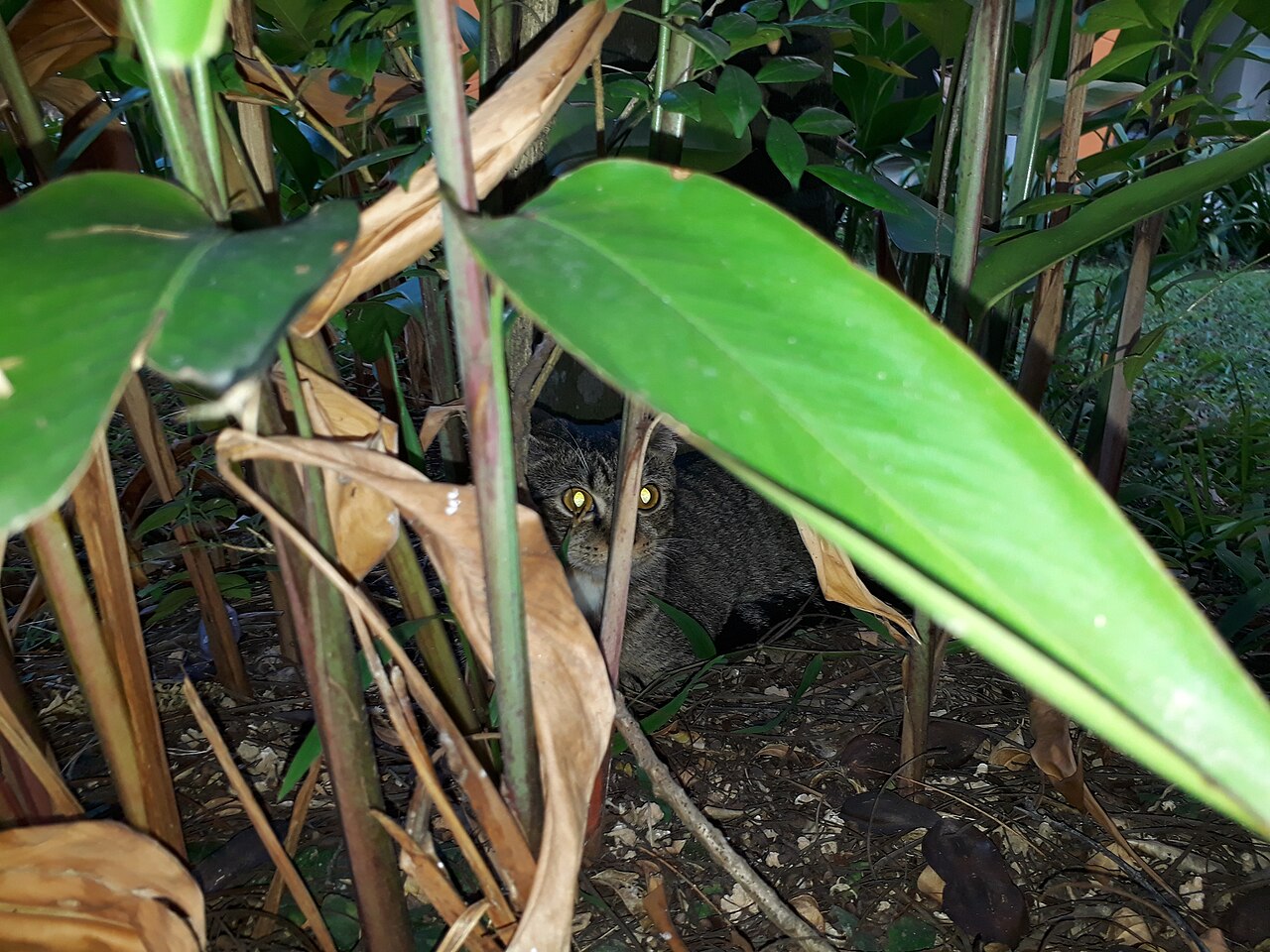
The Laboratory developed the Disappointment Index to measure how let down a cat appears when an object does not fall as expected. It uses four categories.
- Zero: the object fell. The cat was pleased.
- One: the object fell, but silently. The cat was mildly cross.
- Two: the object did not fall. The cat looked at the object for a long time.
- Three: the object did not fall, and the human put it back. The cat looked at the human for much longer.
Validation
The Index has been validated against the rate of tail twitching, which correlates strongly with disappointment and also with lunch. We have controlled for lunch by timing the trials before breakfast, which has made everybody sad.
Use In Industry
Several manufacturers of mugs have asked to license the Index. We have declined, since it is not for sale, and since they could not be trusted to hold a cat steady.
Limitations Of The Index
The Index has limits. Cats are complex creatures, and a single twitch may reflect disappointment, joy or an itch. In the early version of the Index, a cat scratching an ear was recorded as four on the scale, which caused unnecessary worry.
Future Work
We plan a Version 2 of the Index that includes a fifth category, Resignation, to be applied to cats who have given up on the whole thing and gone to sleep. A sixth category, Smugness, is already in draft.
Case Example
In one trial, a cat named Biscuit watched a cup remain stubbornly on a table for forty minutes. She scored a three. When the cup fell, she scored a minus one, which we had to invent on the spot and which now sits in an annex.
The appendix is available in print on request, in a font large enough for a cat to read from a distance.
Leave a Reply